How stress and psychological strain can influence back pain
Back pain is common and can affect people of all ages and occupations. Physical factors such as injury and day-to-day loading may play a role, but stress and psychological strain can also influence symptoms. This article looks at how these factors may interact and what that can mean for your back.
1. Muscle tension
Stress can increase muscle tension. Many people raise their shoulders or tense their neck when they feel under pressure, which may contribute to discomfort in the neck and upper back. If this pattern continues, the muscles may remain tense and sensitive.
2. Effects on posture and movement
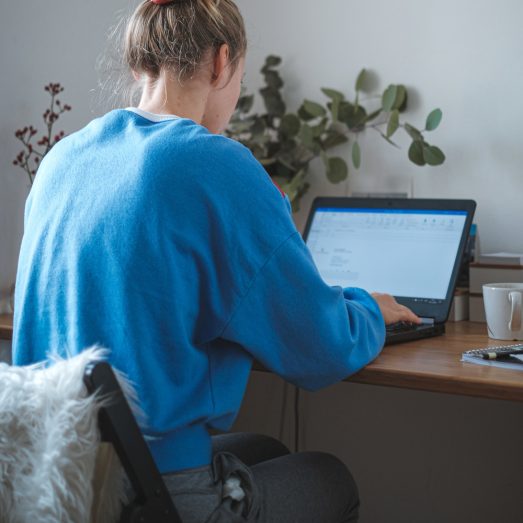
Psychological strain may change how we sit, stand and move. Under stress, some people adopt the same position for longer or move less freely. No single posture is automatically harmful, but limited variation and sustained loading may contribute to discomfort.
3. How pain is processed
Stress and psychological strain can affect how the nervous system processes pain. When we are under pressure, discomfort may feel more intense or harder to cope with. Pain can in turn increase stress, creating a cycle in which both influence one another.
4. Reduced activity
When we feel stressed or emotionally strained, physical activity can become less of a priority. Less movement may reduce strength and mobility over time and may make normal physical demands feel more challenging.
5. Persistent stress
Long-lasting stress affects several systems in the body and may increase sensitivity to symptoms. The relationship is complex and differs from one person to another.
Supporting both physical and psychological wellbeing

Stress management
Try approaches that help you manage stress, such as breathing exercises, meditation, yoga or other relaxation techniques.

Movement and activity
Regular physical activity can support strength, mobility and general wellbeing. Choose activities that suit your current ability and build up gradually.
Variety at work
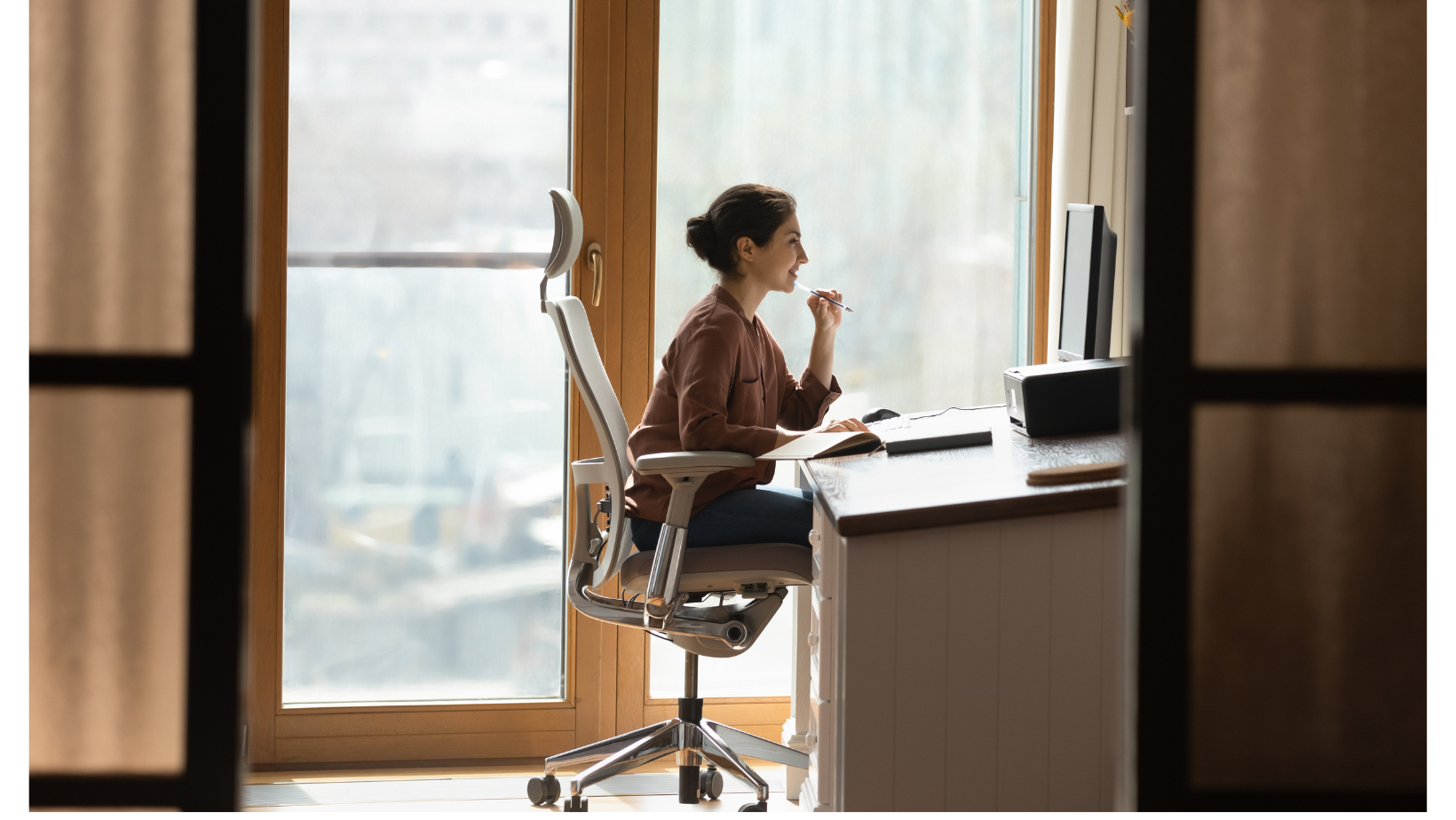
Arrange your workplace so that it is comfortable, and change position regularly. Short movement breaks can interrupt prolonged sitting and one-sided strain.

Psychological wellbeing
If psychological strain is persistent or difficult to manage, professional support may help you address it and protect your emotional wellbeing.
Conclusion: Stress and psychological strain may influence back pain through muscle tension, changes in activity and the way pain is processed. Supporting both physical and psychological wellbeing can help you manage symptoms and improve your overall quality of life.
Persistent, worsening or unexplained back pain should be assessed by a qualified healthcare professional.