Herniated disc: causes, symptoms and treatment options
A herniated disc can affect the spine and may cause pain or limitations in everyday life. Some disc herniations cause no symptoms at all. This article explains what a herniated disc is, which symptoms may occur and how treatment is commonly approached.
What is a herniated disc?
The spine consists of vertebrae separated by intervertebral discs. These discs distribute load and allow movement. In a herniated disc, material from the softer centre passes through a weakened or torn area of the outer fibrous ring. If this irritates or compresses a nerve, pain or neurological symptoms may occur.
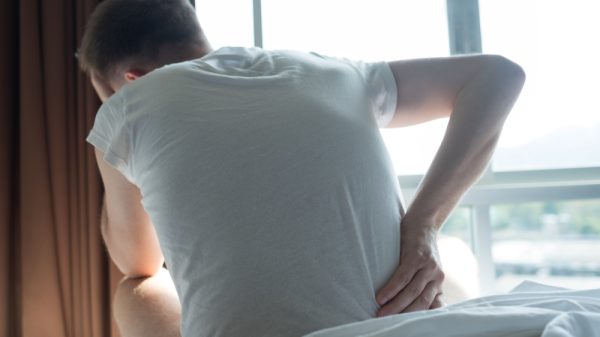
Factors associated with disc herniation
- Age-related changes: discs naturally change over time and may become less hydrated and resilient.
- Genetic and individual factors: susceptibility differs between people.
- Physical demands: unfamiliar or repeated heavy loading may contribute in some situations.
- Smoking and general health: lifestyle and health factors may influence disc tissue.
A herniated disc is rarely explained by one factor alone, and it is not simply the result of “poor posture”.
Possible symptoms
Symptoms depend on the location and whether a nerve is affected. They may include:
- back or neck pain
- pain radiating into an arm or leg
- tingling or numbness
- muscle weakness
Imaging findings and symptoms do not always match. A professional assessment considers the clinical picture as a whole.
Treatment options
Many people improve with non-surgical care. Treatment should be matched to the person, the symptoms and the findings, and may include:
- Advice and appropriate activity: prolonged bed rest is generally avoided; activity is adapted to symptoms and gradually increased.
- Physiotherapy and exercise: targeted movement may support function, confidence and strength.
- Medication: a doctor or pharmacist can advise on suitable pain relief and possible risks.
- Injections: these may be considered in selected cases after medical assessment.
- Surgery: this may be considered for severe or progressive neurological deficits, certain emergencies, or persistent symptoms that do not improve sufficiently with conservative care.
When to seek urgent medical help
Seek prompt medical assessment for marked or increasing muscle weakness, numbness around the saddle area, loss of bladder or bowel control, or severe symptoms following significant trauma. These signs require timely evaluation.
Everyday support and prevention
Regular movement, gradually developed strength, sufficient recovery and varied physical activity can support general back health. No approach can guarantee prevention, but maintaining physical capacity may help you manage everyday demands.
If you suspect a herniated disc or have persistent, worsening or unexplained symptoms, consult a qualified healthcare professional for an individual assessment.