Practical tips for posture and movement
Posture can influence comfort, but there is no single position that everyone must maintain. The body is designed to move, and changing position regularly is usually more useful than trying to hold a rigid “perfect” posture.
Notice your habits
Pay attention to how long you remain in one position and how it feels. Awareness helps you recognise when a change, a short walk or a movement break would be useful.
Build trunk and whole-body strength
Regular strengthening exercises can help your body manage everyday demands. Include the back, abdomen, hips and legs, and choose variations that you can perform with control.
Let your shoulders move
Your shoulders do not need to stay pulled back all day. Allow them to relax and change position, and include gentle shoulder movements during breaks.
Place screens comfortably
Position your screen so that you can view it comfortably. When using a phone or tablet, change position and take breaks rather than trying to hold one fixed angle.
Adapt your sitting position
Use a stable chair and support your feet if that feels comfortable. Adjust the seat, backrest and desk to your body and the task, then vary your position throughout the day.
Plan movement breaks
If you sit for long periods, stand up and move regularly. Brief, frequent changes can be easier to sustain than occasional long exercise sessions.
Arrange the workplace
Keep the keyboard, mouse and screen within comfortable reach. If you are unsure how to adapt a workstation to a health condition, seek advice from a suitable professional.
Try activities you enjoy
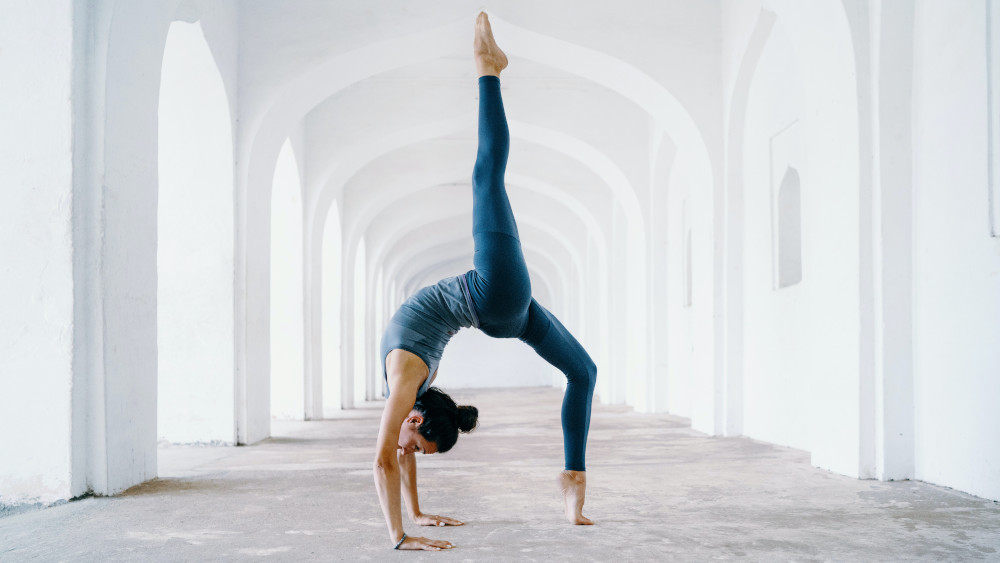
Yoga, Pilates, walking, strength training and many other activities can support mobility and physical capacity when matched to your experience and current condition.
Posture is only one of many factors that may influence back comfort. Aim for variety, regular movement and gradually developed strength instead of constantly correcting yourself.
Persistent, worsening or unexplained symptoms should be assessed by a qualified healthcare professional.