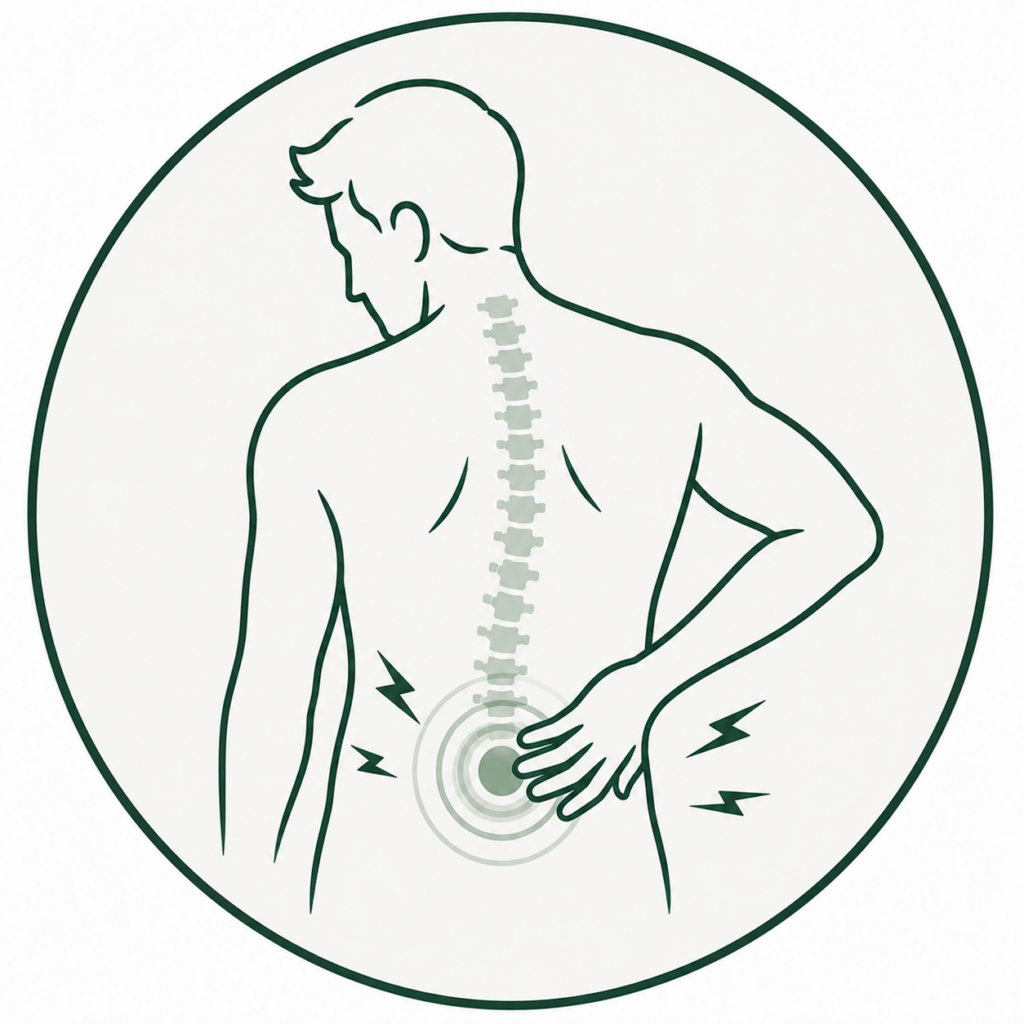
Back pain is common — and usually no cause for concern.
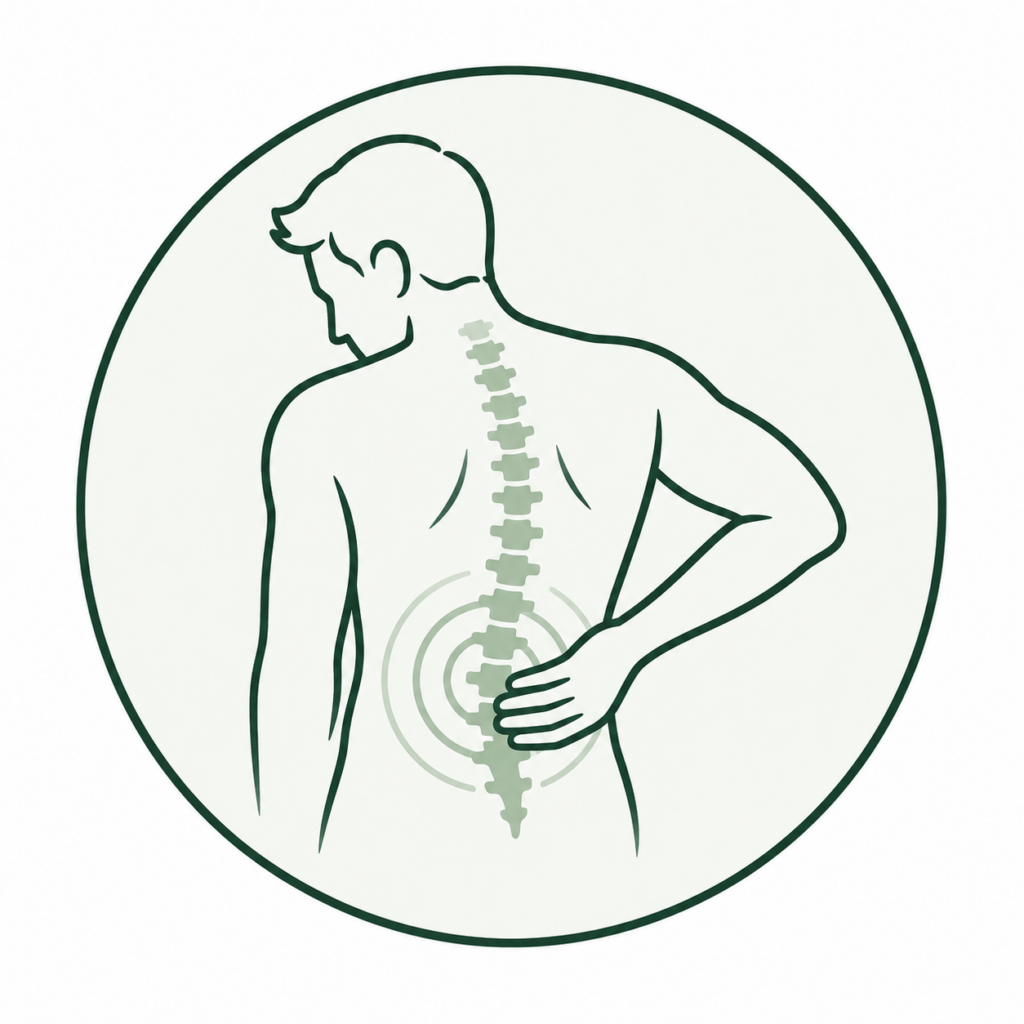
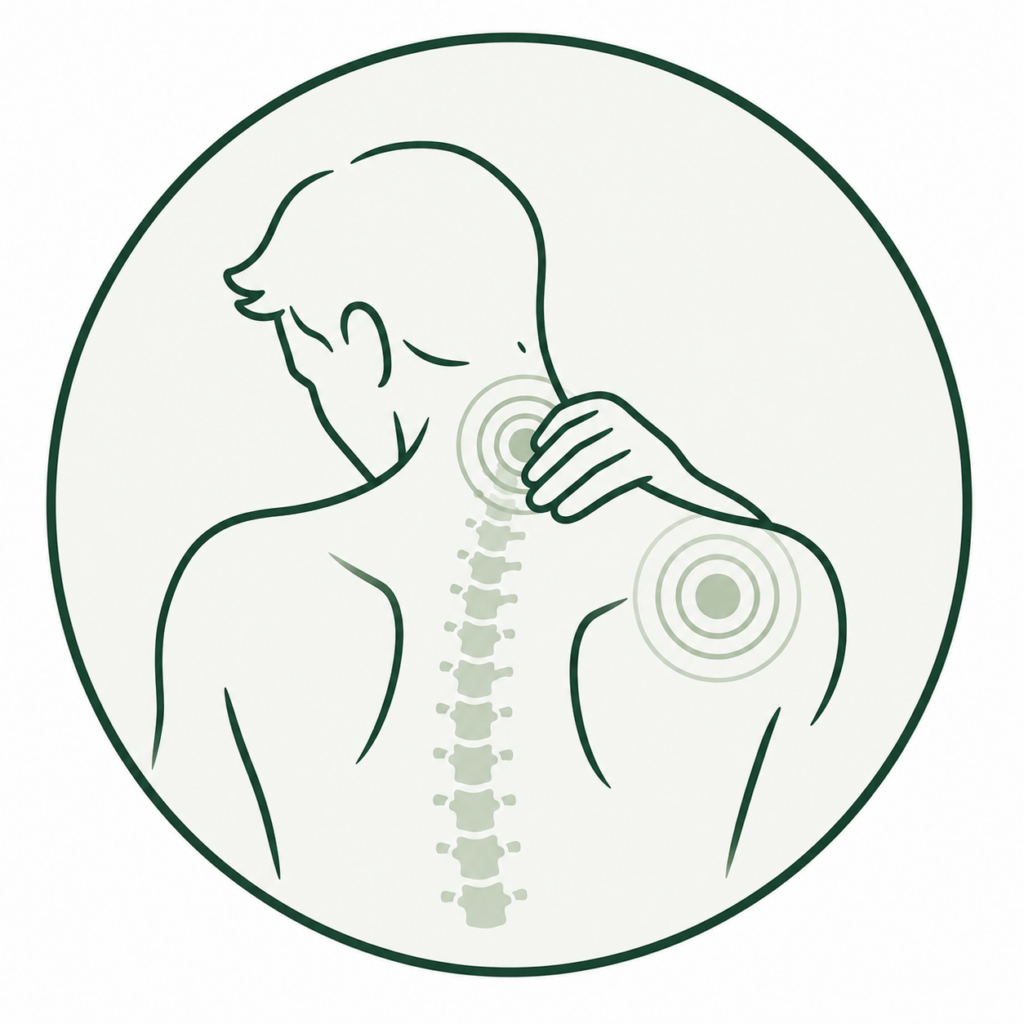
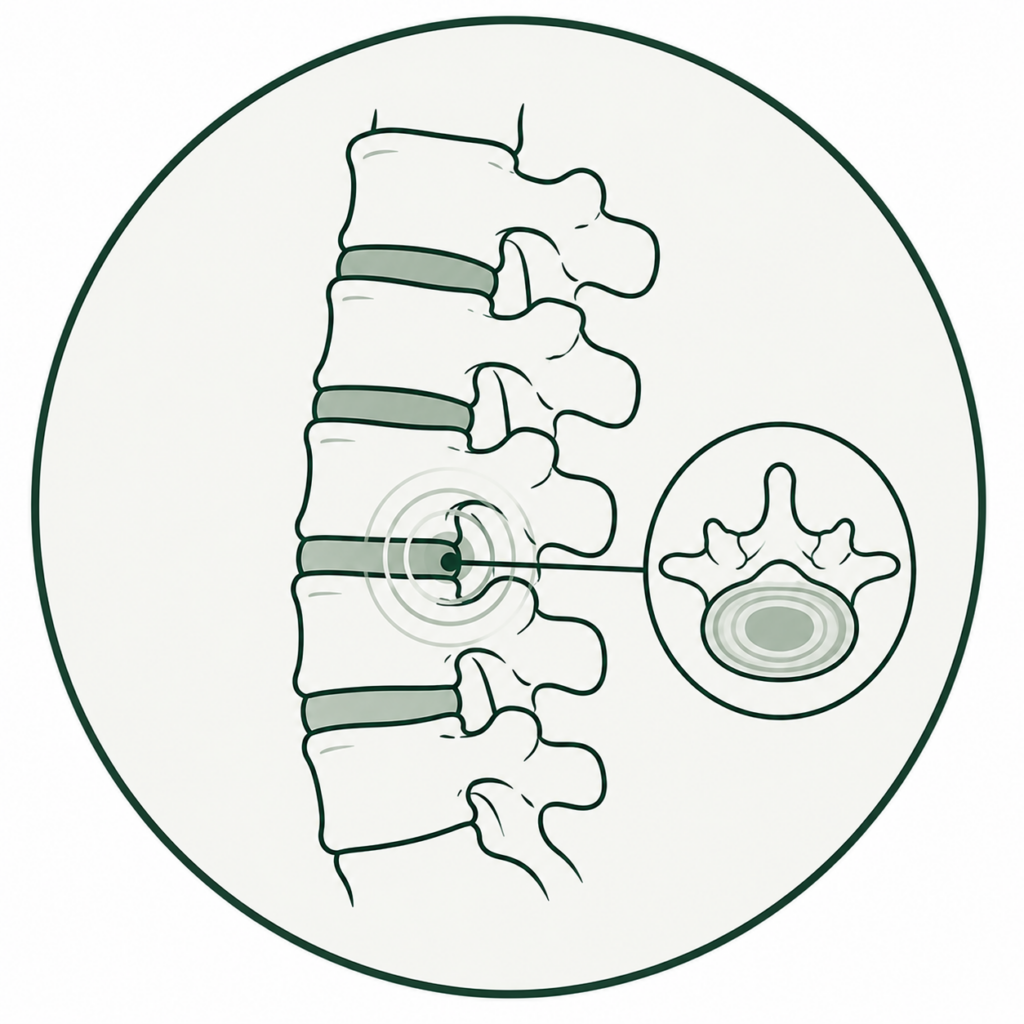
Back pain can be worrying. In most cases, however, it is not caused by a serious medical condition. Symptoms are often non-specific, which means that no single damaged structure can be identified as the cause.
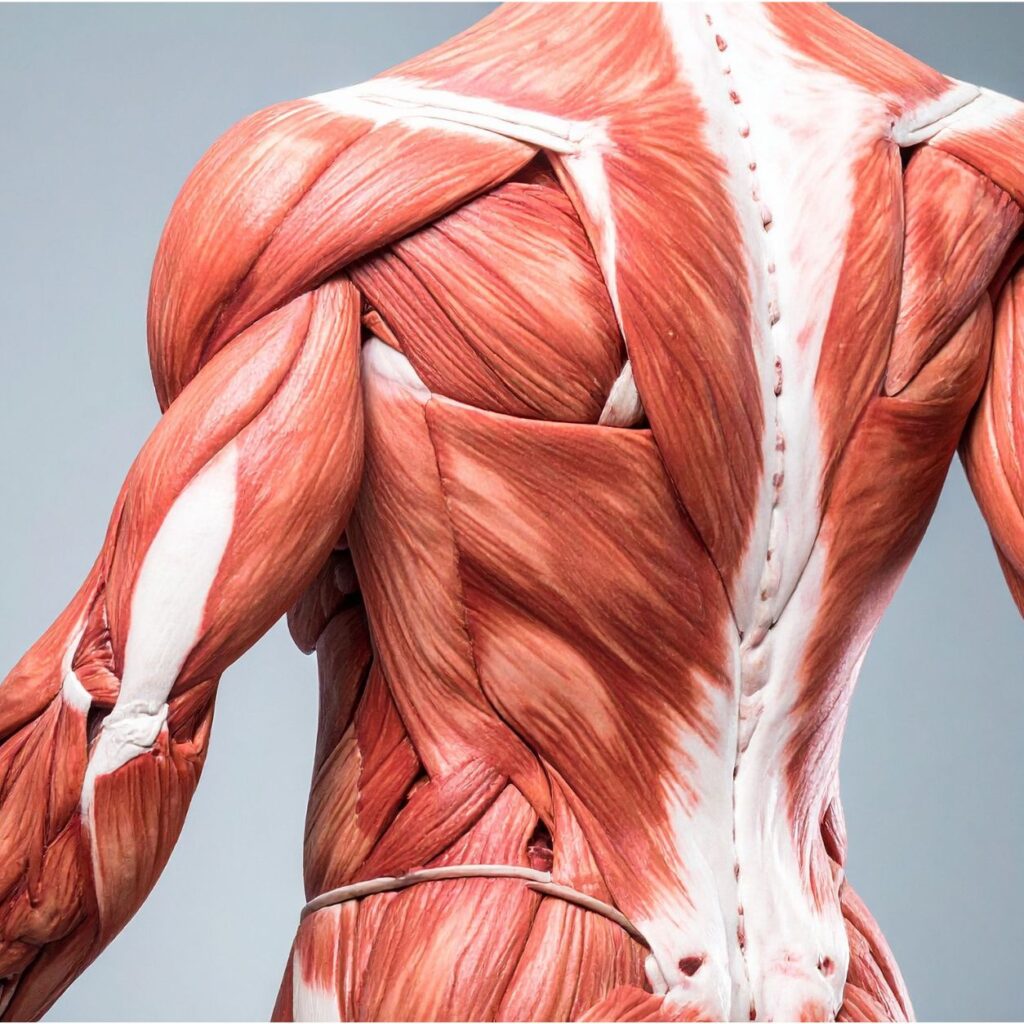
Movement, physical load, muscle function, stress and many other factors can affect how your back feels. Pain does not automatically mean that something in your back is damaged.
The good news is that back pain often improves, and staying active is frequently an important part of recovery.
Mobility, strength and relief — three ways to support your back
Back pain does not automatically mean that you need to protect your back from movement. Staying active, building strength gradually and taking deliberate breaks can help you regain confidence and resilience in everyday life.
Improve mobility
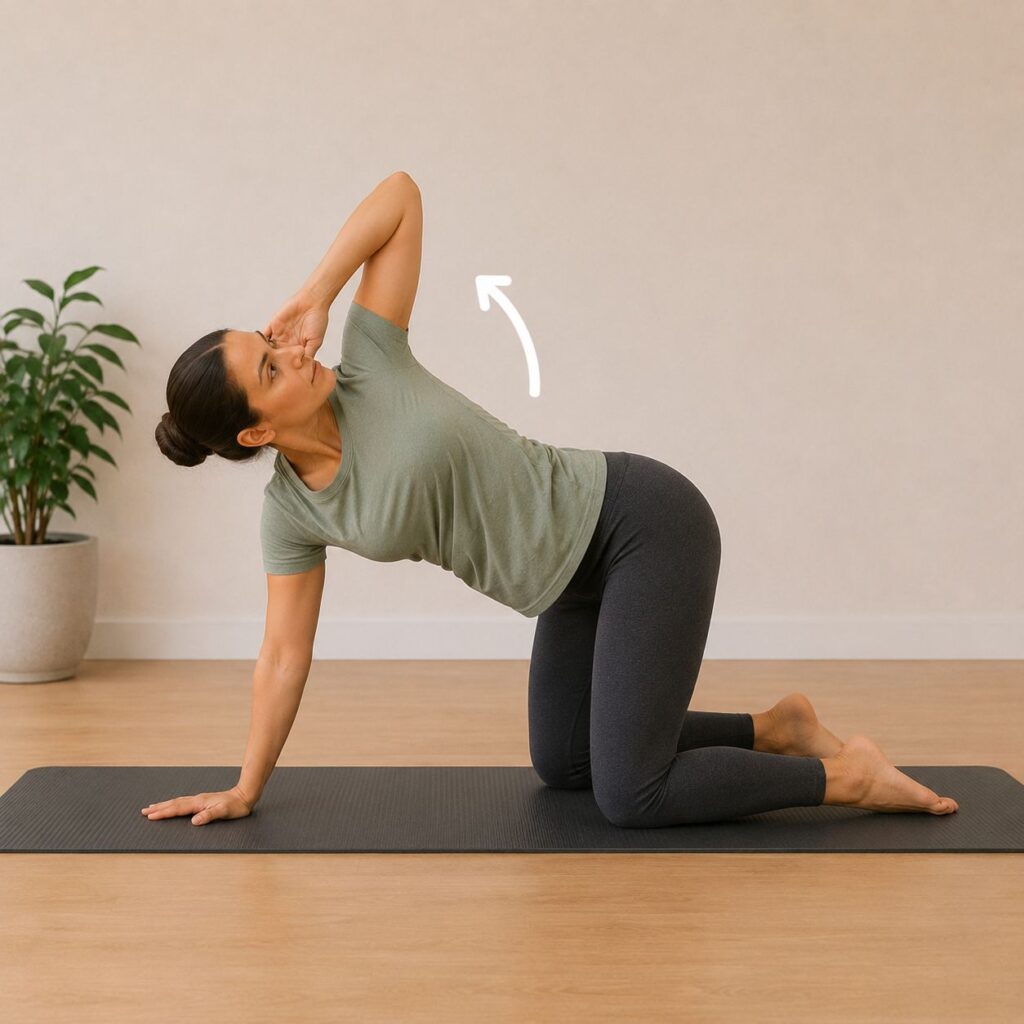
Keep moving and reduce stiffness. Regular, varied movement helps your back stay active and adaptable.
Give your back a chance to recover during the day. A change of position or a short break can feel especially helpful after prolonged sitting or repetitive strain.
Gesunder Rücken is based on sound exercise science, explained clearly and applied to everyday life.
Instead of complicated jargon or quick fixes, the aim is to help you understand the bigger picture: How does your back respond to physical load? What roles do movement and strength play? And what can you do to support your back over time?
Grounded in exercise science · Explained in practical terms · Made for everyday life
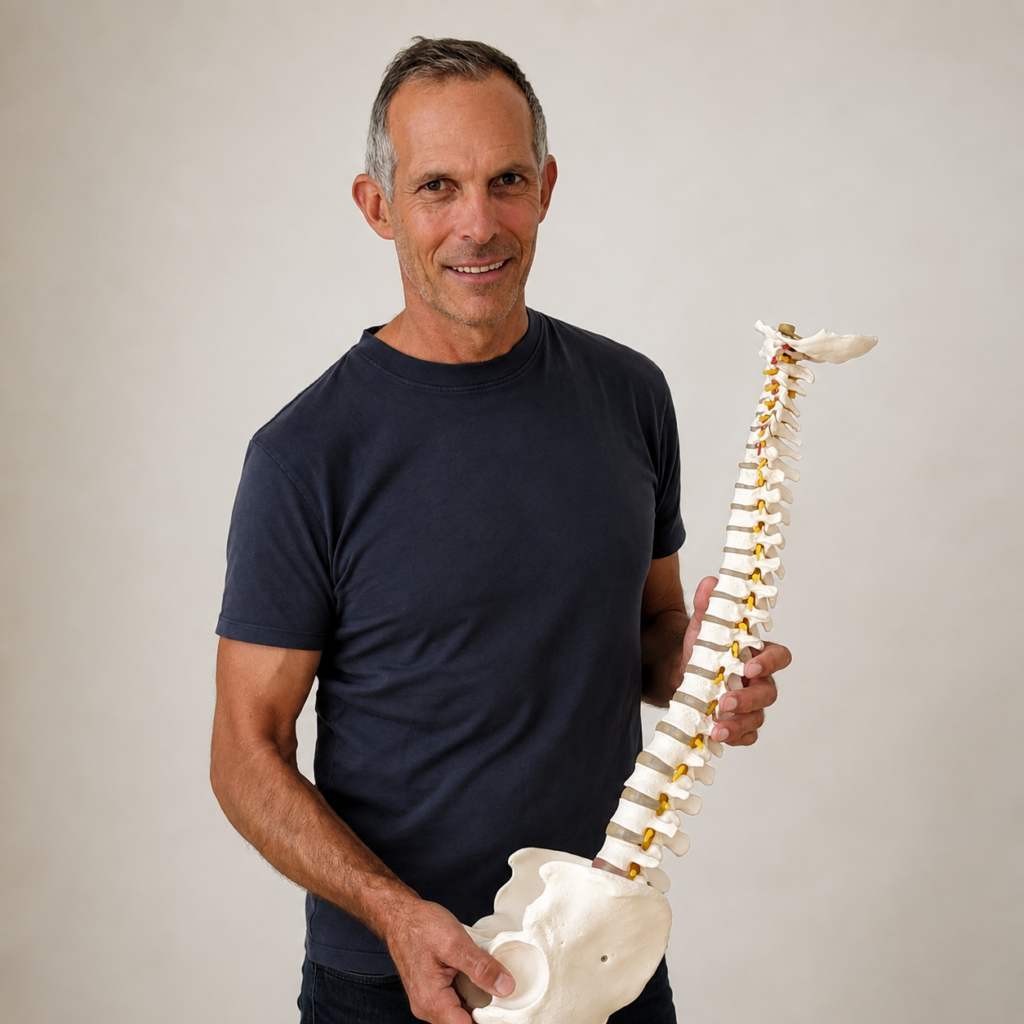
Dieter Kofler Exercise Scientist (M.Sc.) About me →
LEARN MORE ABOUT YOUR BACK
Understanding helps you put symptoms into perspective.
What happens when you have back pain? How is the back structured? And what can help ease strain in everyday life? Here you will find clear answers to the most important questions.
1. Understanding back pain
Learn why back pain can develop, why pain does not automatically mean damage, and when it makes sense to seek medical advice.