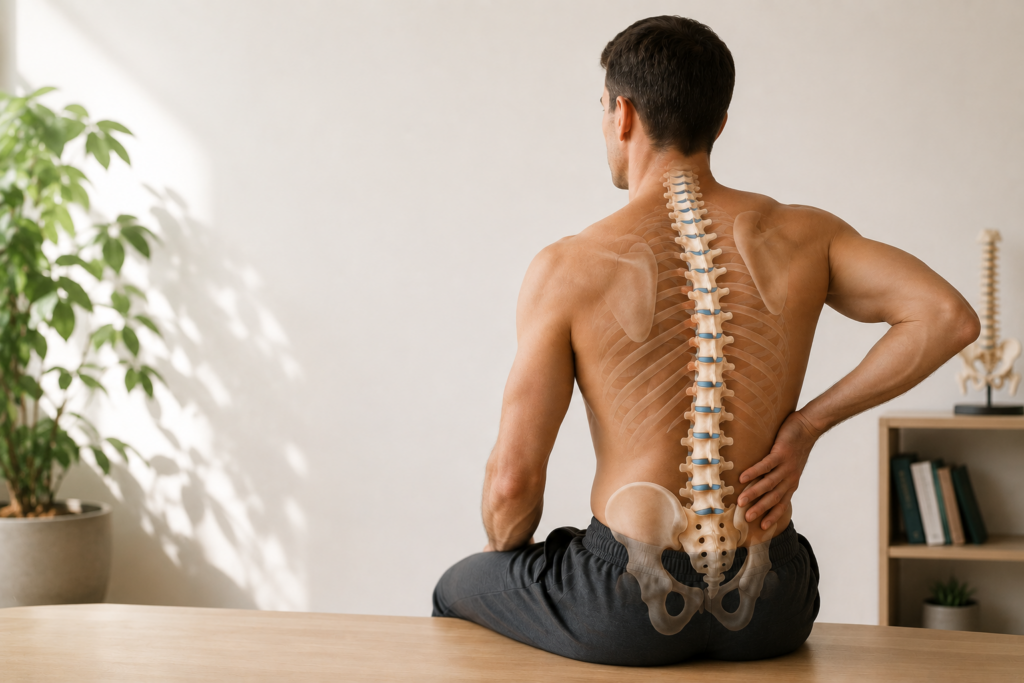
UNDERSTAND YOUR BACK · PUT SYMPTOMS INTO CONTEXT · SEE THE CONNECTIONS
Understand your back.
Then you can care for it better.
How does your back work, why can symptoms develop, and what can you influence yourself? Here you will find evidence-informed information about back health, explained clearly and connected to everyday life.
Clearly explained by an exercise scientist
BACK HEALTH AT A GLANCE
Understanding your back – step by step
From anatomy and the development of symptoms to movement and relief: explore the key factors that contribute to a healthy, resilient back.
1. How your back works
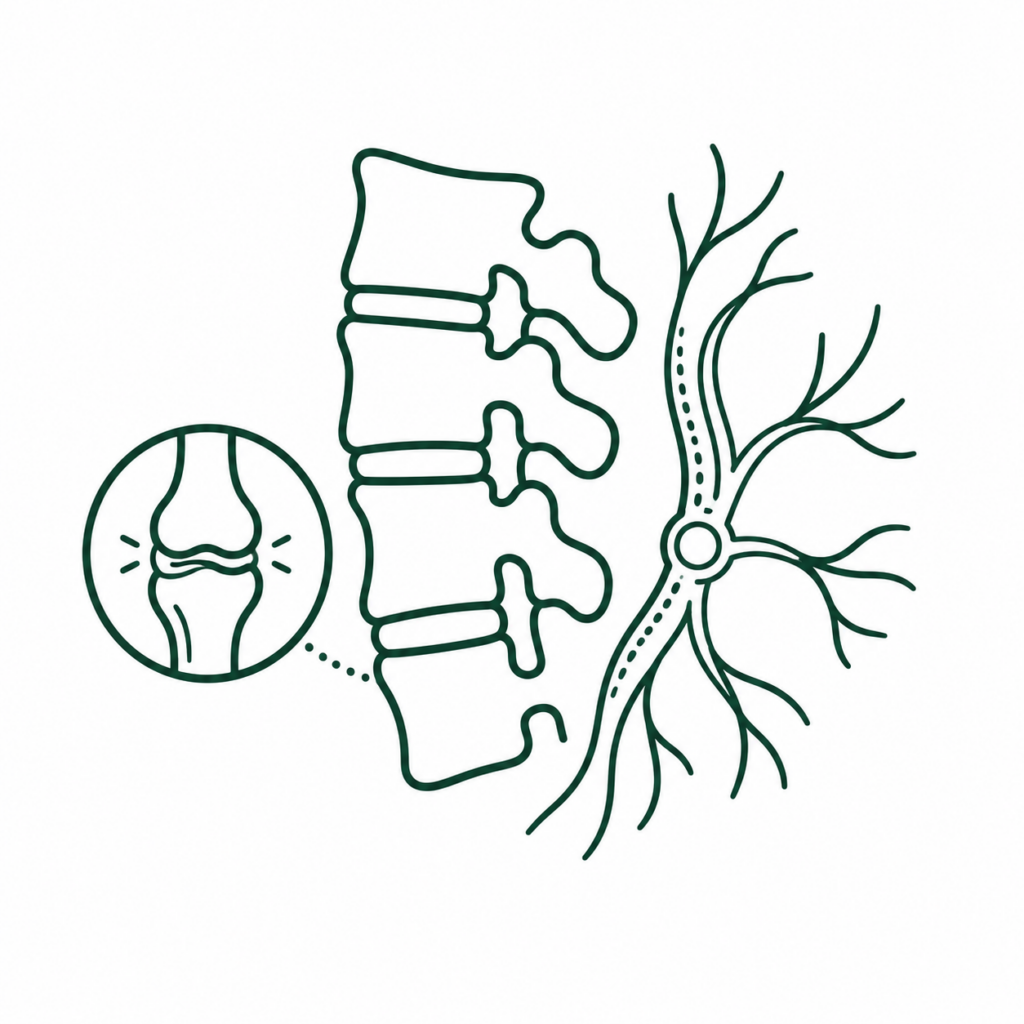
The spine, intervertebral discs, muscles and joints, clearly explained and considered as an interconnected system.
Your back consists of more than vertebrae and intervertebral discs. Muscles, joints, ligaments and the nervous system work together to provide both stability and movement.
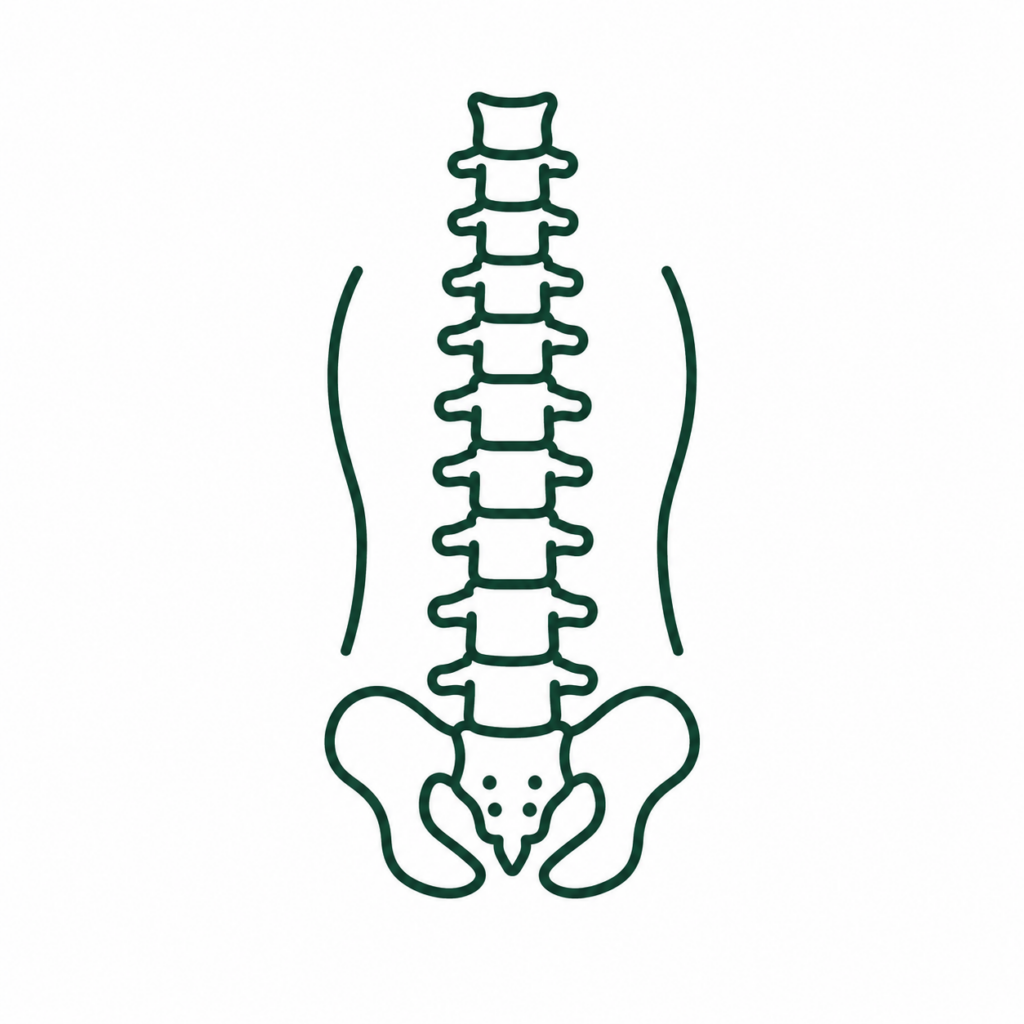
Spine
Supports the body while allowing stability and movement.
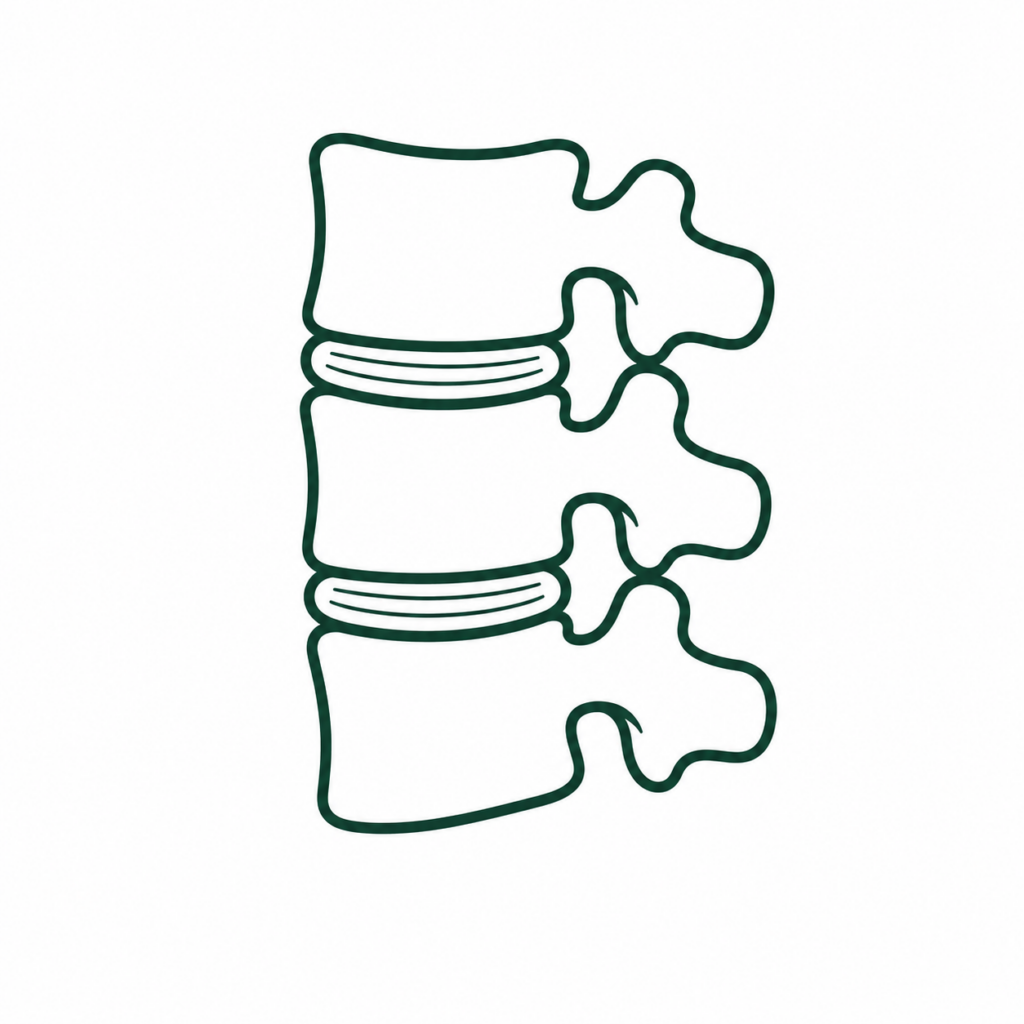
Distribute load between the vertebrae and adapt to changing demands.
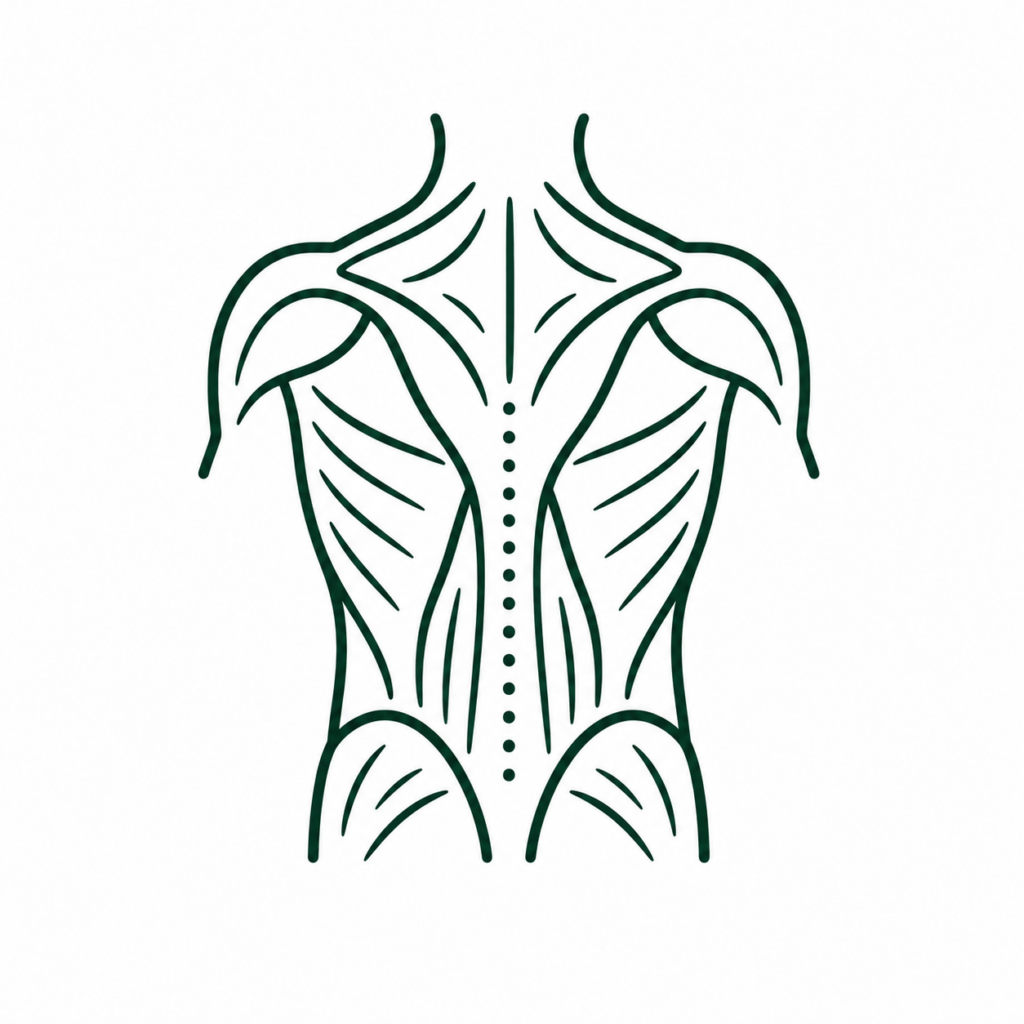
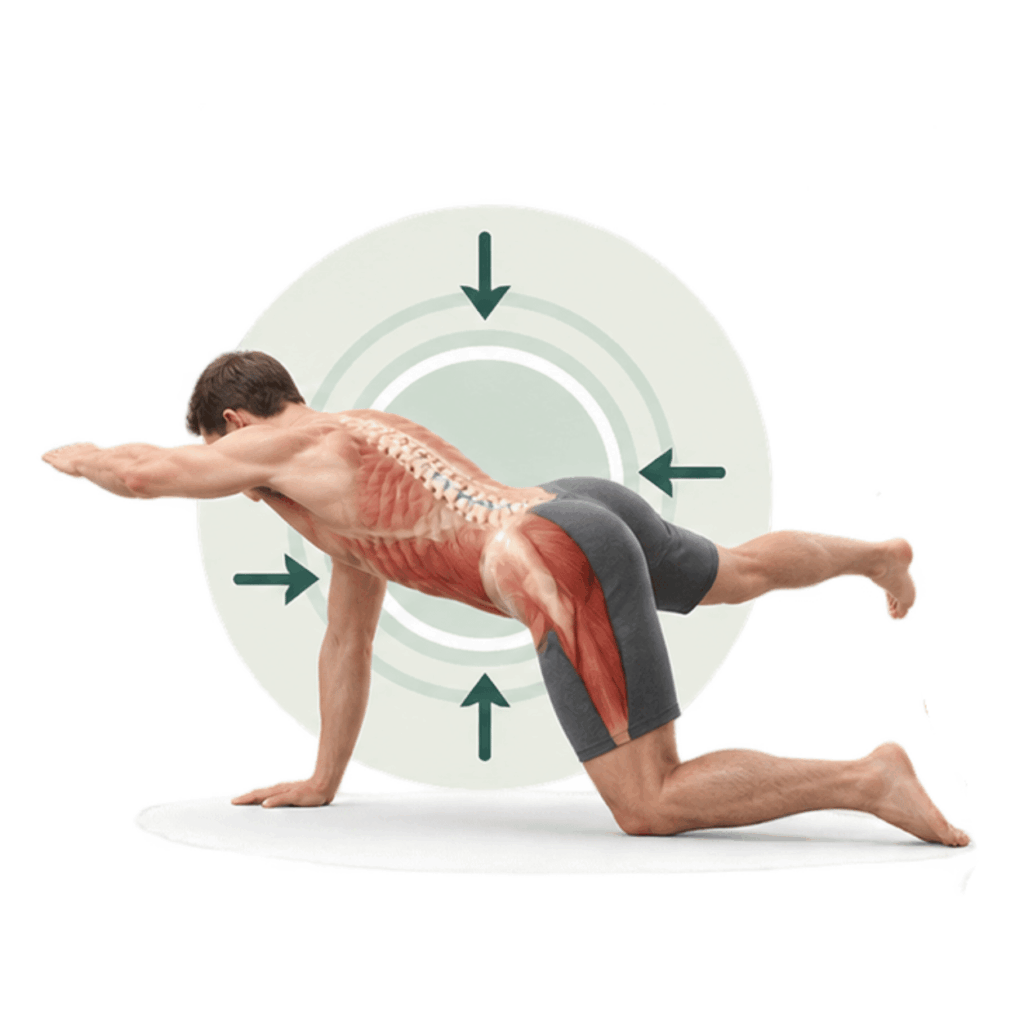
Muscles
Stabilise and move the back and adapt to regular loading.
Joints & nerves
Joints allow movement, while nerves transmit information between the body and the brain.
UNDERSTANDING SYMPTOMS
Back pain rarely has just one cause.
Back symptoms can be influenced by many factors. Movement, physical load, recovery, stress and individual circumstances all interact. It is therefore important to look beyond the place where it hurts.
1. Load
Prolonged sitting, repetitive movement or unfamiliar physical demands can ask more of your back than it is currently used to.
2. Movement
Too little movement can be unhelpful, as can a load for which your body is not prepared. Regular, suitable movement helps your back remain resilient.
3. Recovery
Physical demand requires recovery. Sleep, breaks and alternating between activity and relief give your body time to adapt.
FACTS INSTEAD OF MYTHS
What really supports your back.
Many assumptions about back pain persist. Some may lead us to avoid movement or protect the back unnecessarily. It is time for a more balanced view.
MYTH
I should rest when I have back pain.
Not as a general rule. For many cases of non-specific back pain, adapted movement and normal daily activity are more helpful than prolonged inactivity.
It is not that simple. There is no single perfect posture. Changing position regularly and exposing the body to varied loads matters more.
MYTH
My back is worn out, so I need to be careful.
Not automatically. Changes in the spine and intervertebral discs are common with age and do not necessarily cause symptoms.
YOUR BACK IN EVERYDAY LIFE
What you can do for your back.
A resilient back does not come from one perfect exercise. What matters is making regular room for movement, appropriate load and recovery in everyday life.
Keep moving
Change position regularly, break up prolonged sitting and include movement in your day. Small changes can often make a difference.
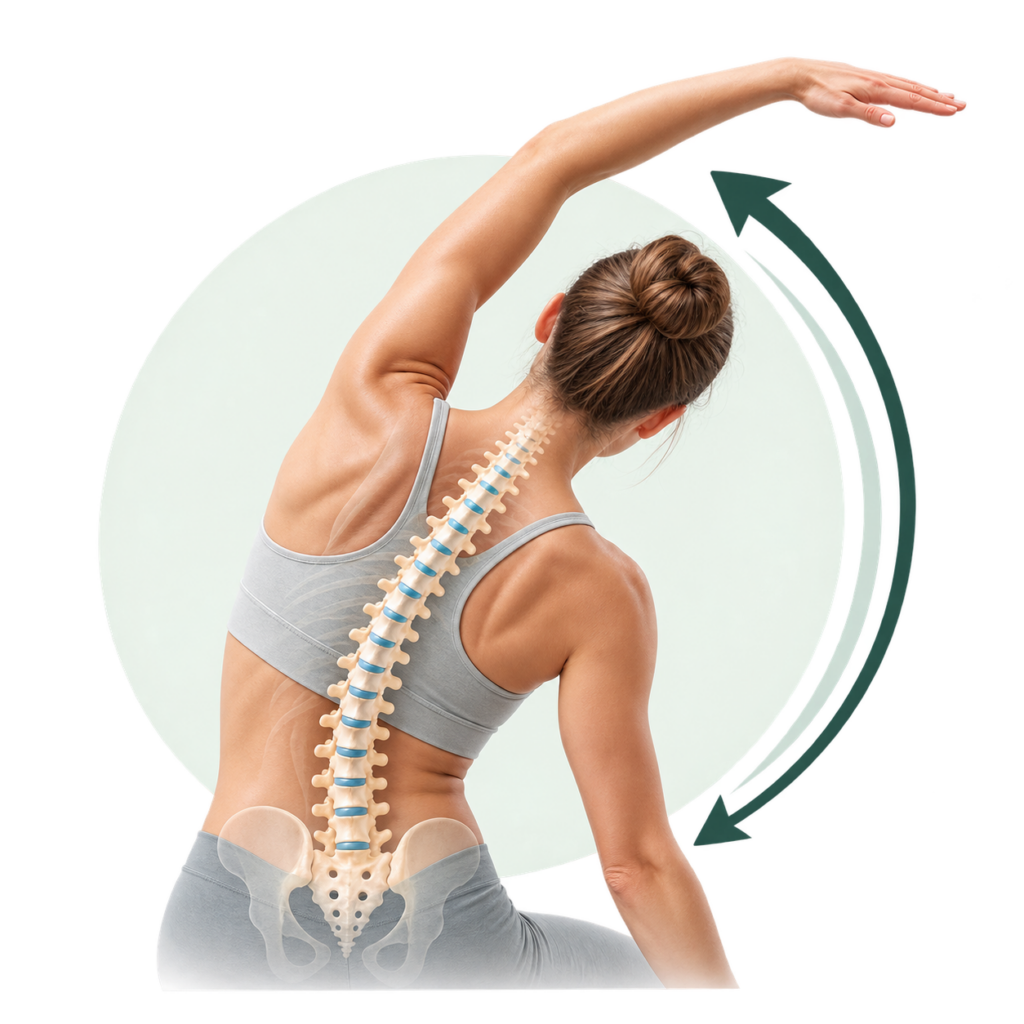
Build strength & mobility
Strengthen your back and trunk and maintain mobility with simple exercises suited to your daily routine and current ability.
Evidence-informed · Clearly explained · Made for everyday life
PUT KNOWLEDGE INTO MOTION
Now you know more about your back. It is time to support it.
Discover simple exercises for mobility and strength, or learn how to give your back targeted relief and recovery.
WHO CREATES THE CONTENT
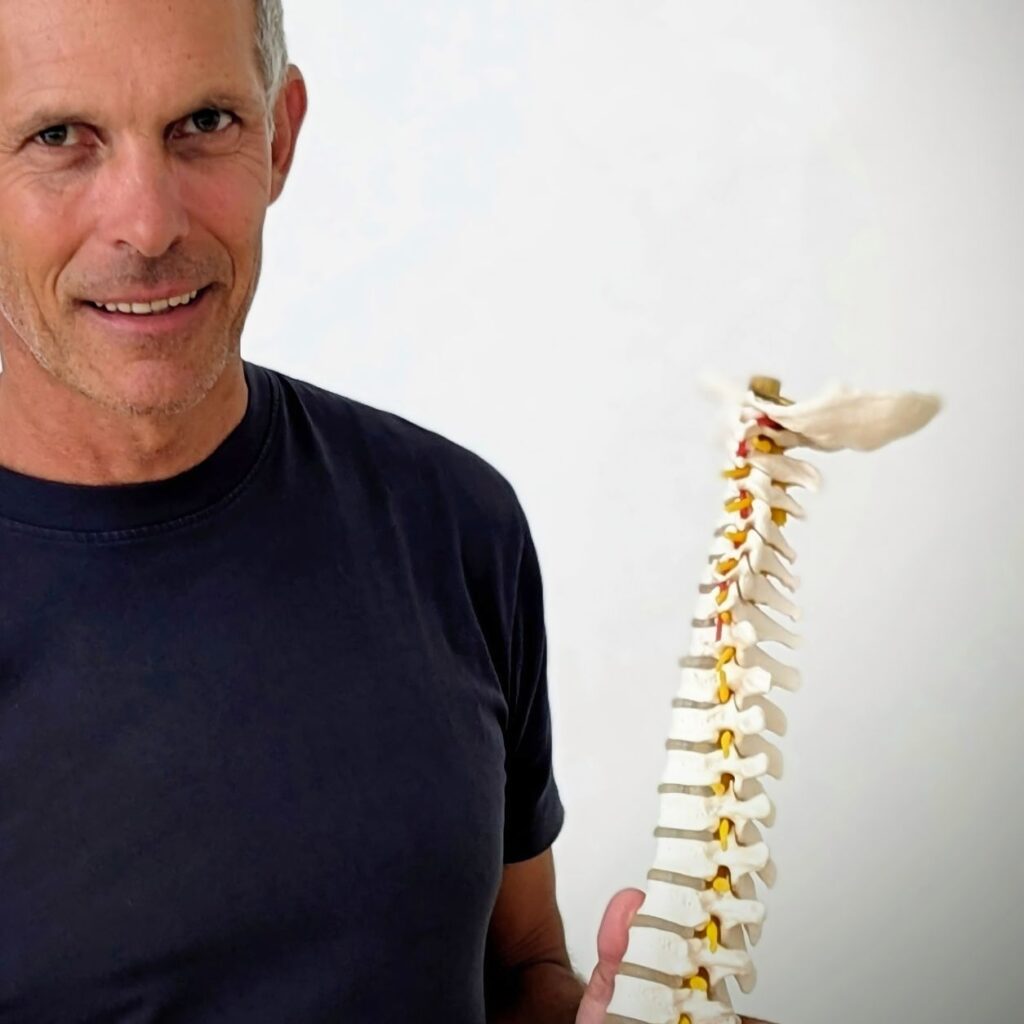
I am Dieter Kofler, Exercise Scientist (M.Sc.). For many years, I have focused on movement, physical load and how we can support our backs sensibly in everyday life.
On Gesunder Rücken, I explain complex topics clearly and share practical ways in which you can contribute to a mobile, resilient back.
This is not about quick fixes or one “correct” posture. It is about understanding your back and finding a sensible balance between movement, load and recovery.